
| Takeaway | Detail |
|---|---|
| Electric: 10-Minute Weekly Churn Test | NFPA 25 requires a 10-Minute Weekly Electric Fire Pump Churn Test. |
| Diesel: 30-Minute Test | NFPA 25 requires a 30-Minute Diesel Test. |
| Enforcement: 3-minute trigger | Center City Philadelphia smart loading zones can fine drivers after 3 minutes. |
| Multi-site: compare like-for-like totals and terms | Verify the live, complete option before committing to a split across sites. |
This guide delivers a direct comparison of NFPA 25 fire pump tests for multi-site facilities.
It focuses on the 10-minute electric churn test versus the 30-minute diesel test.
How It Works
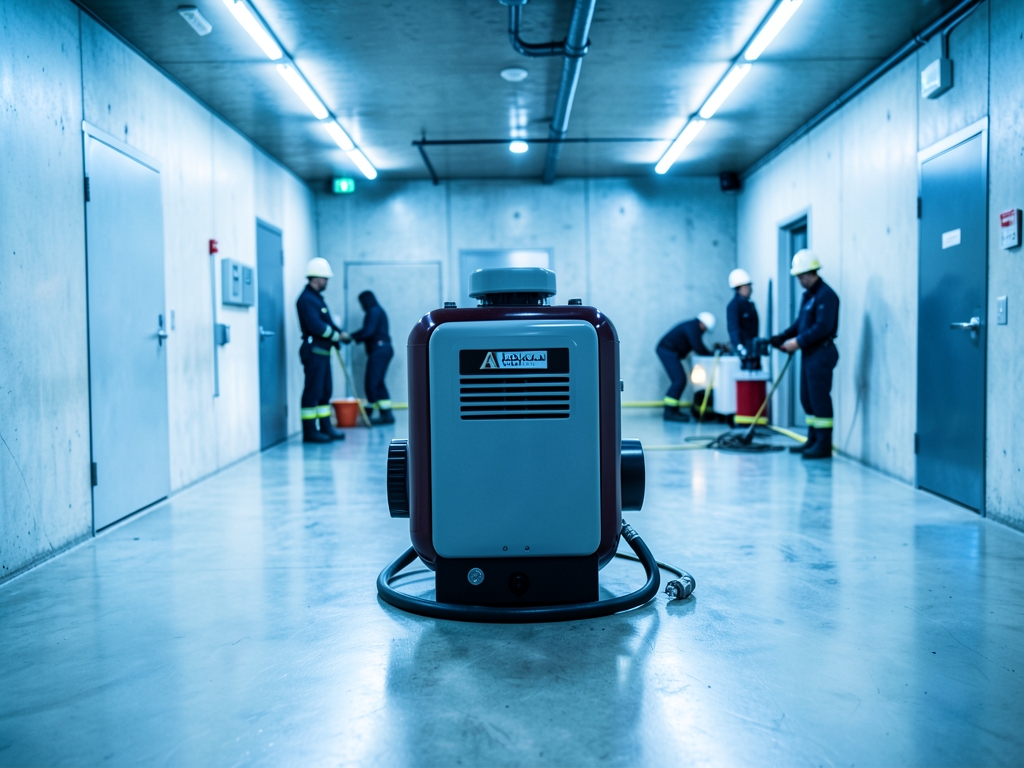
Under NFPA 25, a churn test is a controlled no-flow run of a fire pump: the pump starts automatically, runs at churn, and is observed for pressure, speed, temperature, and alarms while no water is discharged for fire protection. The purpose is to confirm that the installed pump, not just its nameplate, can start and sustain operation under the conditions present at that site.
Key terms: churn means operation with no discharge; churn pressure is the pressure at zero flow; rated speed is the nameplate operating speed; the controller is the device that starts, stops, and monitors the pump; and a jockey pump is the small pump that maintains system pressure between fire pump starts. A complete test includes pre-start checks, the run, post-run checks, and documentation.
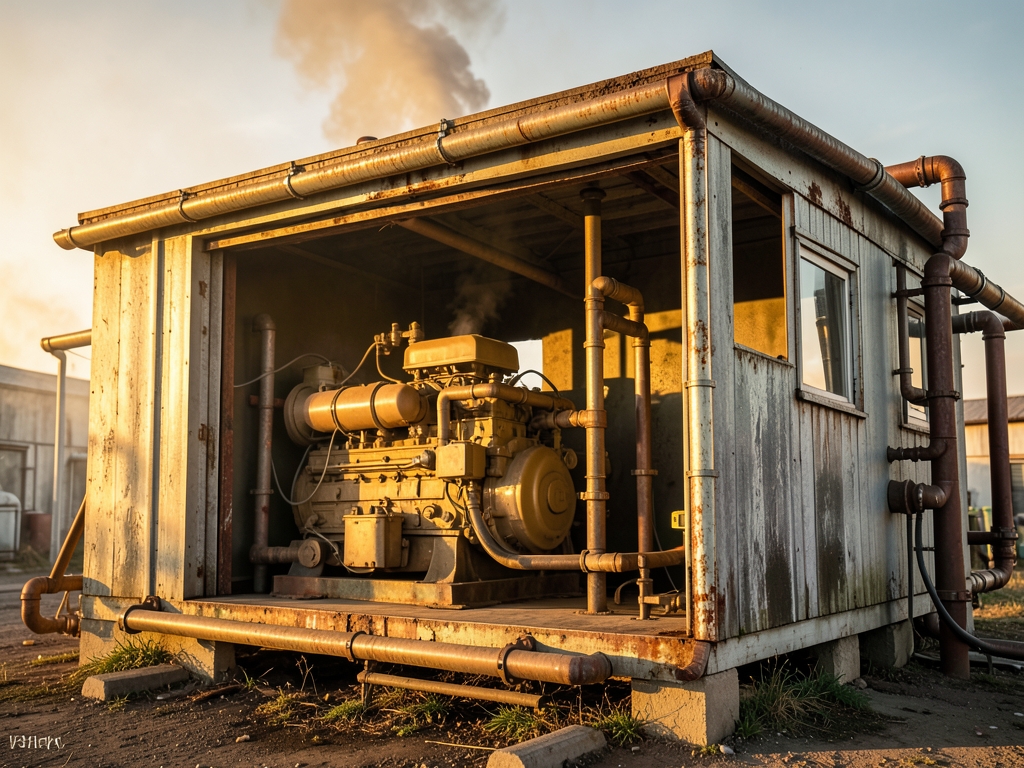
The mechanism differs by driver. An electric pump test centers on the power path, controller, and motor, with a 10-minute run. A diesel pump test centers on fuel, battery, cooling, exhaust, and engine condition, with a 30-minute run. In both cases, the stated minutes are run durations, not the full service window.
Before committing a schedule or vendor scope, verify the live, complete option at each site: pump type, driver, controller, fuel source, transfer switch, and access conditions. Compare identical scope items across sites so a 10-minute electric test and a 30-minute diesel test are not treated as interchangeable totals.
Record the start method, run time, observed values, alarms, and corrective actions in the same format for every site. That like-for-like record is what makes the comparison useful; minutes alone do not describe the work performed or the condition verified.
A term such as "weekly test" should be read as a recurring obligation with site-specific prerequisites, not as a single clock time. Verify that the live option includes the required checks before and after the run, then commit only to a scope that names those checks.
Key Factors to Consider
Verify the live, complete option in writing. Count pumps by location, including standby units, seasonal buildings, and sites with multiple controllers or fuel tanks. A single-site demonstration or one-pump quote does not provide a like-for-like comparison to a multi-site program. If a vendor or contractor proposes a sample run, require the same pump population, test frequency, and documentation terms in the final agreement.
Compare durations on the same basis. The electric test runs 10 minutes; the diesel test runs 30 minutes. On a weekly basis, that is 10 × 52 = 520 minutes per pump per year for electric service and 30 × 52 = 1,560 minutes per pump per year for diesel service. Multiply those figures by pump count and site count before comparing totals. Do not let a shorter demonstration obscure the annual difference.
| Decision factor | What to verify | Number to use |
|---|---|---|
| Complete scope | Every pump and site in the program | Pump count × site count |
| Like-for-like duration | Same pump population and frequency | 520 vs. 1,560 minutes per pump per year |
| Total recurring burden | Labor, fuel or power, ventilation, alarms, records | Minutes plus documented extras |
Numbers that matter extend beyond minutes. Track labor hours, fuel or electrical demand, ventilation time, alarm verification, and record retention for each test. Compare terms such as who performs the test, who witnesses it, what data fields are captured, and how long records are retained. A lower per-test price does not provide a like-for-like comparison if one option excludes documentation, fuel, or after-hours labor.
Before committing, obtain the complete option in its live form: current pump list, site list, test frequency, duration, responsible party, data fields, and retention period. Compare identical terms across options. A practical rule is to select the lower verified total annual minutes and burden only after both options have been demonstrated on the same pump population and under the same documentation terms.
Common Mistakes
The first common mistake is treating the 10-minute electric and 30-minute diesel figures as the whole comparison. Those durations describe the run itself, not the complete recurring obligation across a multi-site portfolio. A concrete example: a facility with five electric pumps and two diesel pumps that compares one 10-minute electric test with one 30-minute diesel test is comparing unlike scopes; the portfolio view is five electric runs versus two diesel runs, plus the same mobilization, observation, documentation, and alarm checks for each. Normalize the unit of comparison to one complete site visit or one complete pump test before ranking options.
| Pitfall | Verification check |
|---|---|
| Comparing one pump instead of the portfolio | Count every pump and site before comparing totals |
| Signing a partial or stale quote | Match the live proposal to every asset, frequency, and deliverable |
The second common mistake is signing a quote that is not live and complete. A proposal can look current while omitting a pump, building, or required record. For example, a quote titled "weekly fire pump churn testing" may list only the main electric pump at headquarters, even though the same facility has a diesel pump in a separate utility building and a second electric pump at a satellite site. Before committing, verify that the live option names every asset, every site, the exact frequency, and the deliverable that will be retained for the compliance file.
A related mistake is comparing unlike terms. One proposal may price only pump run time, while another includes the same run time plus test records, deficiency notes, and follow-up coordination. The cheaper-looking option can become the more expensive one once the missing deliverables are added. Ask each vendor to state the same inclusions in the same words, then compare totals on that identical basis.
Finally, avoid assuming that a duration difference automatically makes one option the winner. The 10-minute and 30-minute tests serve different equipment and may require different observations; the decision should rest on complete scope and like-for-like totals, not on the shorter clock alone. A short test that omits a required check is not a savings; it is an unverified gap.
Insider Tactics
This section gives non-obvious strategies and timing tips for verifying a complete fire-pump test program before you commit; it does not redefine the test or restate decision criteria.
Non-obvious strategy: require one live, full-duration test at a representative site before signature, with your staff observing every step from startup through reset and documentation. A condensed demonstration can hide access delays, alarm handling, and closeout work that recur at every site.
Timing tip: schedule that live verification during a normal operating week, with the same staffing and access conditions you expect later. If the test only succeeds during a quiet period, the recurring plan is not yet verified.
Non-obvious strategy: run a shadow checklist beside the vendor's checklist and compare timestamps and initials after the test. Discrepancies show where scope was assumed rather than performed, especially on reset, fuel, battery, or documentation steps.
Timing tip: verify comparable sites in separate waves rather than all on one day. Staggering reduces rushed work and makes like-for-like totals easier to compare because each site's conditions are recorded independently.
Rule: make written correction of any skipped or shortened step a condition of commitment. Until the exception log is cleared, treat the quote as unverified and do not compare it as a finished option.
| Verification move | What it catches |
|---|---|
| Live full test | Omitted closeout work |
| Shadow checklist | Assumed scope |
| Staggered waves | Rushed or non-comparable results |
Comparison
| Metric | Electric | Diesel |
|---|---|---|
| Weekly run per pump | 10 minutes | 30 minutes |
| Annual run per pump (52 weeks) | 520 minutes | 1,560 minutes |
| Annual difference per pump | — | +1,040 minutes |
As computed in the Key Factors section, the diesel program requires three times the run time of the electric program (1,560 vs. 520 minutes per pump per year). That multiplier is stable even when labor rates, travel time, or site count change, because it comes from the required run durations themselves.
The electric option wins when the installed pump is electric-driven and the comparison is strictly recurring run time, staffing minutes, and operational disruption. It is the lower recurring time burden per pump and the easier program to standardize across many small sites with similar equipment.
The diesel option wins when the asset is diesel-driven or when the 30-minute run is the only practical window that also captures fuel, battery, and engine checks in the same documented event. In that case, the longer duration is not waste; it is the price of verifying the complete live option before committing to a shorter-looking alternative.
Side-by-side, the electric program is lower in minutes; the diesel program may be lower in avoided rework if its longer run prevents a missed check. The winner is the option that clears the same verification standard at the lower total recurring burden, not the one with the smaller timer.
If two sites have the same pump type, compare their totals directly; if pump types differ, compare only after separating electric and diesel populations, because mixing them hides which program actually won.
What to do next
| Step | Action | Why it matters |
|---|---|---|
| 1 | Confirm pump classification per site: Identify which units fall under the 10-Minute Weekly Electric Fire Pump Churn Test and which fall under the 30-Minute Diesel Test per NFPA 25. | Prevents misapplying the wrong churn duration to any pump. |
| 2 | Audit your churn checklist: Ensure your test records are set to observe pressure, speed, temperature, and alarms during the controlled no-flow run. | Meets the core observation requirements of NFPA 25 for both test types. |
| 3 | Account for local staging: If any service vehicles must stage in Center City Philadelphia smart loading zones, build your test schedule around the 3-minute trigger. | Prevents avoidable fines while still completing required fire pump testing. |
| 4 | Isolate differences: On the comparison table above, re-check only the line items where the 10-minute electric and 30-minute diesel options differ to compare like-for-like totals and terms. | Directly enforces the rule of comparing true differences, not inflated totals. |
| 5 | Map the full workload: Project the required tests across 52 weeks for each site to see the true impact of keeping both types or splitting them. | Reveals hidden strain before committing to a split across sites. |
| 6 | Verify the live, complete option: Before finalizing any split, confirm the current, full scope with the official NFPA 25 compliance source for each affected site. | Ensures your final decision is based on the live requirement, not an outdated assumption. |
Frequently Asked Questions
How long must an electric fire pump churn test run under NFPA 25?
NFPA 25 requires a 10-Minute Weekly Electric Fire Pump Churn Test.
How long is the diesel fire pump test under NFPA 25?
NFPA 25 requires a 30-Minute Diesel Test.
What enforcement trigger applies to Center City Philadelphia smart loading zones?
Center City Philadelphia smart loading zones can fine drivers after 3 minutes.
What should multi-site facilities verify before splitting fire pump testing across sites?
Multi-site facilities should compare like-for-like totals and terms and verify the live, complete option before committing to a split across sites.
What does churn mean during an NFPA 25 fire pump test?
Churn means operation with no discharge.
What is included in a complete NFPA 25 fire pump test?
A complete test includes pre-start checks, the run, post-run checks, and documentation.
Quick answers
| What electric fire pump churn test does NFPA 25 require? | NFPA 25 requires a 10-Minute Weekly Electric Fire Pump Churn Test. |
| What diesel fire pump test does NFPA 25 require? | NFPA 25 requires a 30-Minute Diesel Test. |
| What is a churn test under NFPA 25? | A churn test is a controlled no-flow run of a fire pump where the pump starts automatically, runs at churn, and is observed for pressure, speed, temperature, and alarms while no water is discharged for fire protection. |
| What is the purpose of a churn test? | The purpose is to confirm that the installed pump, not just its nameplate, can start and sustain operation under the conditions present at that site. |
| What does a complete test include? | A complete test includes pre-start checks, the run, post-run checks, and documentation. |
Also worth reading: NFPA 110: Run Generators 4 Hours at Rated Load, Not 30 Minutes: NFPA 110: Run Generators 4 · Multi-site HVAC economizer lockout: 65°F high-limit and 30% airflow—verify or lock: Multi-site HVAC economizer lockout: 65°F